
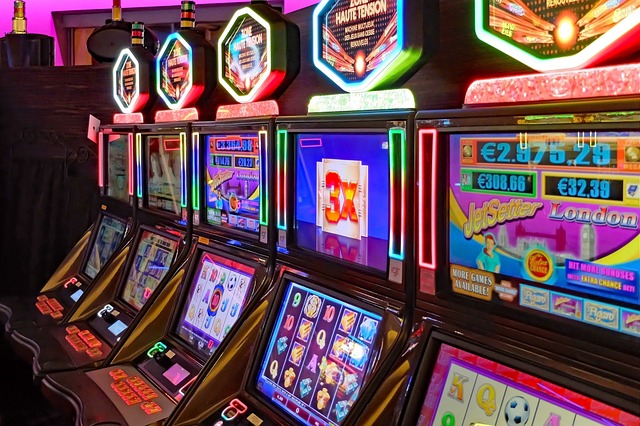
Slot machines are more than just reels and paylines; they are carefully designed experiences that engage players on multiple sensory levels. Animations, sound effects, and visual feedback are strategically implemented to keep players immersed, enhance excitement, and encourage continued play. Understanding the psychology behind these design choices can help players recognize how their behavior may be influenced and make more informed decisions.
These sensory cues are not random. Developers use insights from behavioral psychology, neuroscience, and game theory to create an experience that is entertaining while subtly nudging players toward longer sessions and higher bets. By examining the role of animations and sounds, players can gain a clearer perspective on the forces shaping their gambling habits.
How Animations Affect Player Engagement
Animations in slots serve multiple purposes. They signal wins, bonus triggers, or near misses, creating a sense of movement and anticipation. For example, spinning reels, exploding symbols, or celebratory sequences can make even small wins feel more significant, generating excitement and reinforcing positive feedback loops.
Visual cues also influence perceived control. Dynamic animations suggest that actions like spinning the reel or pressing a button actively contribute to outcomes, even though results are determined by random-number generators (RNGs). This perceived agency can increase engagement and encourage players to continue betting, sometimes longer than initially planned.
The Role of Sound Effects

Sound effects are equally powerful in shaping player behavior. Chimes, fanfares, and celebratory sounds create emotional responses that reinforce the thrill of winning. Even subtle audio cues, such as suspenseful sounds before a spin stops, build tension and make outcomes feel more dramatic.
Auditory feedback also exploits reward-based conditioning. Players associate specific sounds with success or progress, which can stimulate dopamine release and reinforce the desire to continue playing. Over time, these effects can contribute to longer sessions and more frequent betting, often without conscious awareness.
Psychological Principles in Action
Slot designs often leverage principles such as variable-ratio reinforcement, where rewards are unpredictable but frequent enough to maintain engagement. Near-miss animations and sounds exploit this principle by suggesting a win was “almost” achieved, encouraging players to try again.
Additionally, sensory layering is common, combining motion, lights, and audio to create a more immersive experience. This multi-sensory stimulation enhances emotional arousal, making gameplay more captivating and memorable. Players may spend more time and money than they initially intended, influenced by the subtle interplay of these design elements.
How Players Can Stay Aware

Recognizing the psychological impact of animations and sound effects is key to responsible gambling. Players should be aware that excitement and immersion are deliberately engineered and do not improve odds of winning. Taking breaks, setting time and bankroll limits, and focusing on strategy rather than sensory stimulation can help maintain control.
Understanding the role of sound and visuals also allows players to enjoy the entertainment aspect of slots without being unduly influenced by engineered excitement. Being mindful of these effects can make gambling both more enjoyable and safer over the long term.
Slot animations and sound effects are powerful tools that enhance engagement and influence behavior. By understanding the psychological principles behind these design choices, players can better manage their play, enjoy the immersive experience, and avoid being swayed into excessive betting.