
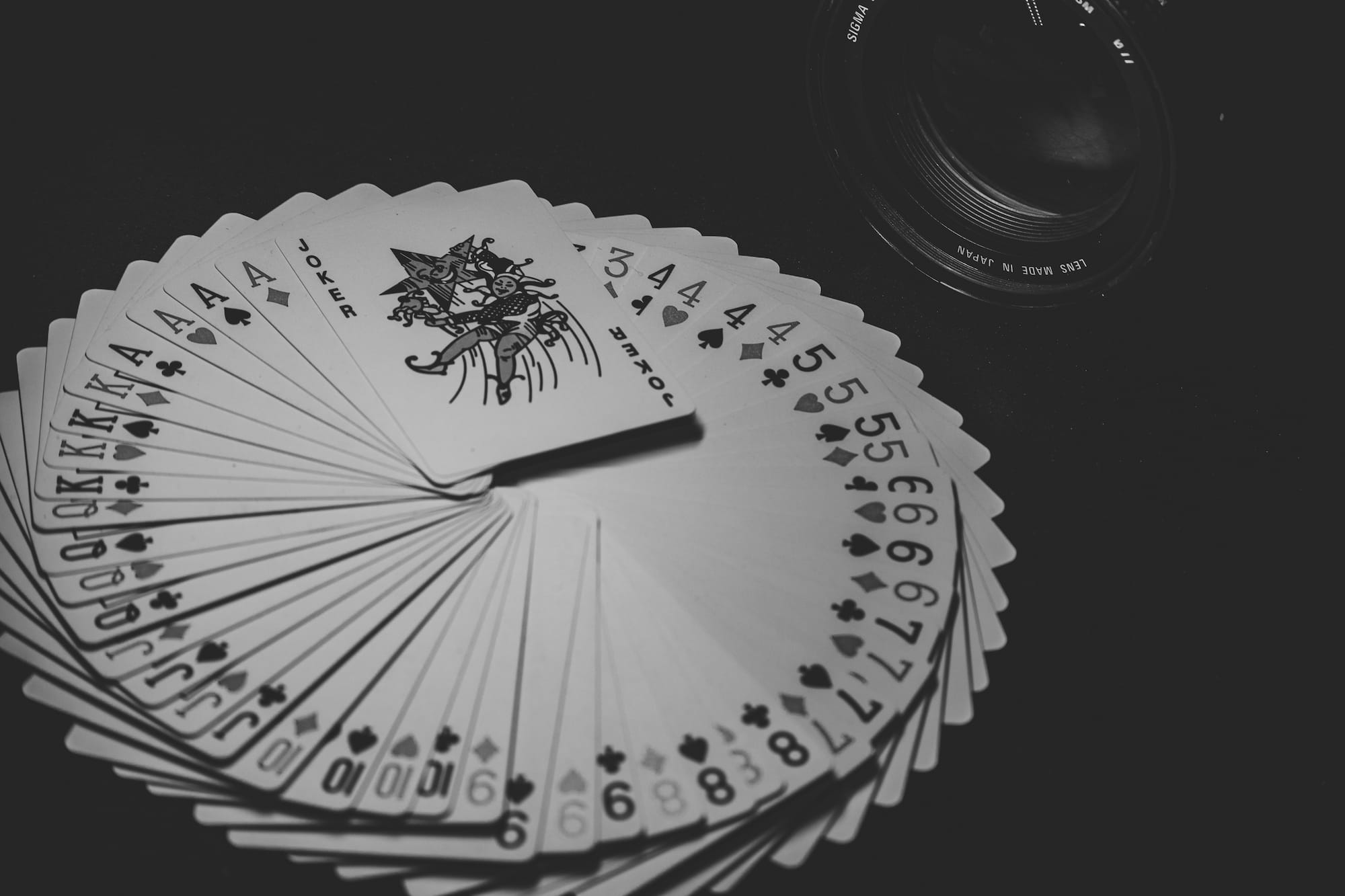
Some gamblers say they’re in it for fun. Others say they want to win money. But there’s a hidden reward that sits underneath both goals. It’s not the payout at the end of the bet. It’s the rush that hits after the wager is placed and before the result arrives. The thrill becomes the real prize at casinos like 22Bet login. Many people don’t notice it happening until it has already taken control.
The Rush Before the Reward
Gamblers often feel the strongest excitement before the match ends. The body reacts to anticipation as if something huge is about to happen. In that moment, the brain releases adrenaline. It gives a sense of power and clarity. The problem is that the rush stops when the result appears. So players chase that build-up again and again.
Winning Isn’t the Only High
A win gives pleasure. A loss gives shock and frustration. But both trigger adrenaline. The body rewards the intensity, not the outcome. Over time, gamblers stop caring whether they win or lose. They care about feeling something strong. Betting becomes an emotional escape instead of a financial strategy.
When Bets Increase Because Excitement Decreases
The brain adapts to adrenaline. A small rush isn’t enough after a while. So gamblers place bigger bets. They choose higher odds. They take bolder risks. They need more uncertainty to feel the same thrill. To outsiders, it looks reckless. To gamblers, it feels necessary.
The Science Behind the High
Adrenaline helps the body prepare for danger or reward. It speeds up reactions and heightens the senses. During betting, it creates a powerful buildup of anticipation. But adrenaline has a dark side. It also weakens logic and amplifies emotion. Suspense becomes more important than sound judgment.
Why “Almost Winning” Feels Worse Than Losing
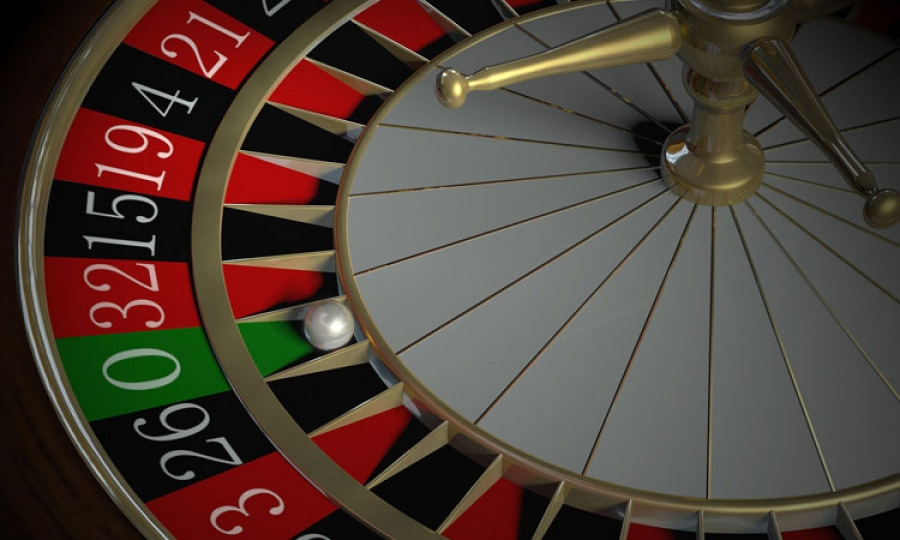
A narrow loss—like a missed goal in extra time or a photo finish at the racetrack—can produce the biggest adrenaline burst. The body thinks something huge is happening. Even when the bet fails, the excitement leaves a mark. That feeling becomes addictive. The brain asks for more.
The Chase After a Big Win
Some gamblers win and immediately bet again. They don’t pause to enjoy the victory. They don’t celebrate. They’re not satisfied because the payout is not what they were chasing. The moment the suspense disappears, boredom appears. So they start the chase again.
Losses Don’t Teach Lessons Under Adrenaline
Normally, losing teaches caution. But adrenaline blocks reflection. It turns losses into motivation to keep going. The body remembers the thrill of suspense, not the pain of defeat. The crash after losing feels unbearable. The next bet becomes the cure.
People Don’t Know What They’re Chasing
Many gamblers never realize they are addicted to the feeling rather than the outcome. They talk about luck, hot streaks, or intuition. But the real story is chemical. They are chasing tension, excitement, and intensity. Payouts are only symbols that trigger the next emotional cycle.
The Moment Someone Starts to See It
Some people eventually notice that the rush controls them. They realize they’re not betting for entertainment anymore. They recognize the bodily craving for suspense. Awareness becomes the first step toward control. They pause long enough to question the pattern.